Insects, arachnids, and gastropod molluscs

Photography

Tiny animals are amazing. Their whole bodies can be thousands of times smaller than our brains, yet they can move, breathe, reproduce and hunt or forage successfully and have done for millions of years. On this small scale animals work in unfamiliar ways. Many animals have exoskeletons made of chitin, and move their limbs through processes which are much more similar to hydraulic excavators than our paired muscle systems.

Our tiny friends are immensely strong and fast. Arthropods are an incredibly diverse set of animals, and they they share their tiny world many other fascinating creatures.

I recently read a very readable book called animal eyes by Dan-Eric Nilsson and Michael Land, it goes into a satisfying level of detail in how the eyes of sea creatures, arthropods, mammals, birds and historical creatures function and how that function effects how they interact with their worlds. As someone who is very interesting in optics and cameras, it is very interesting to learn more about who to design optics by random mutation, although perhaps Pentax and Nikon should stick to paying engineers.

Insects in Highfields park

Photography

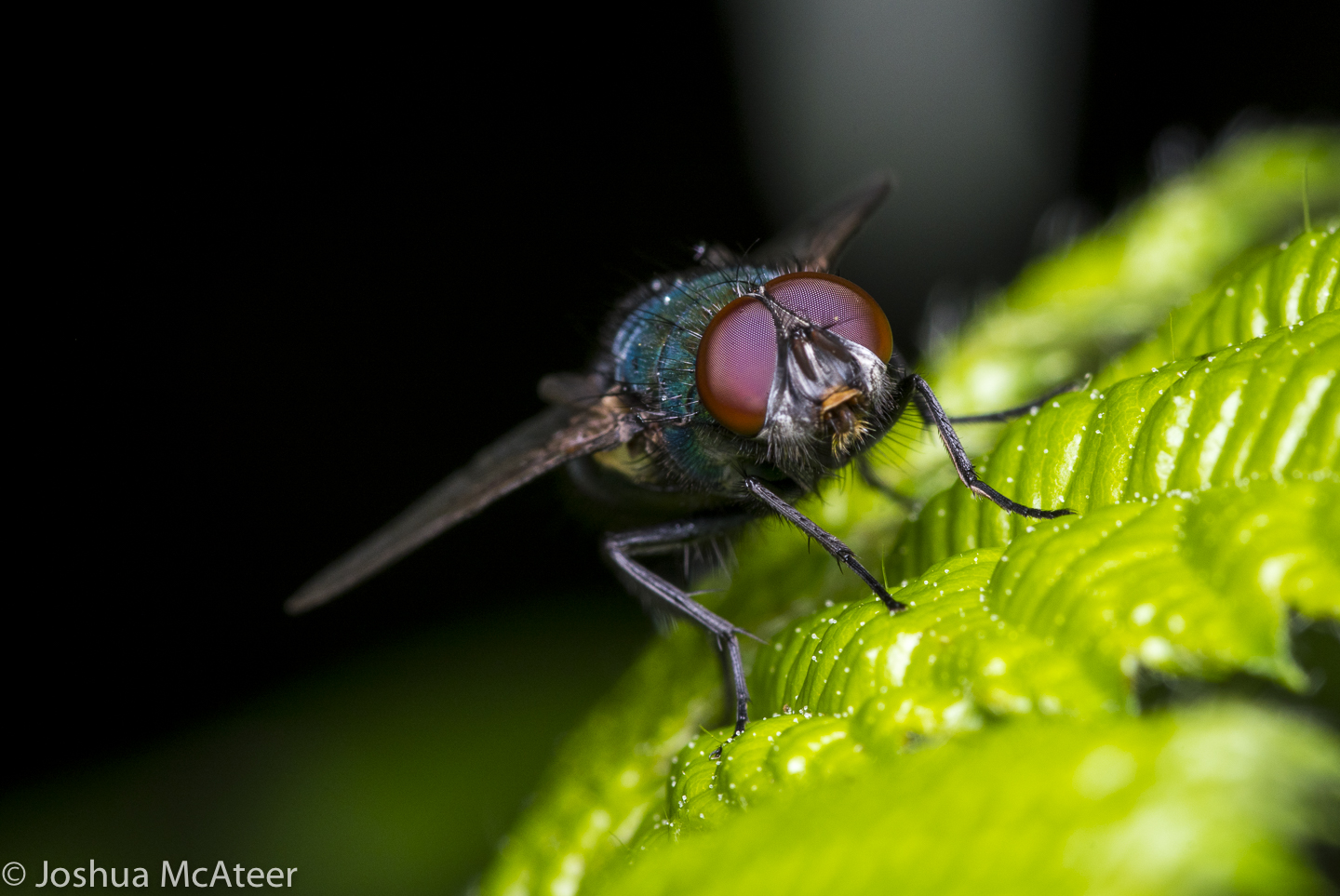
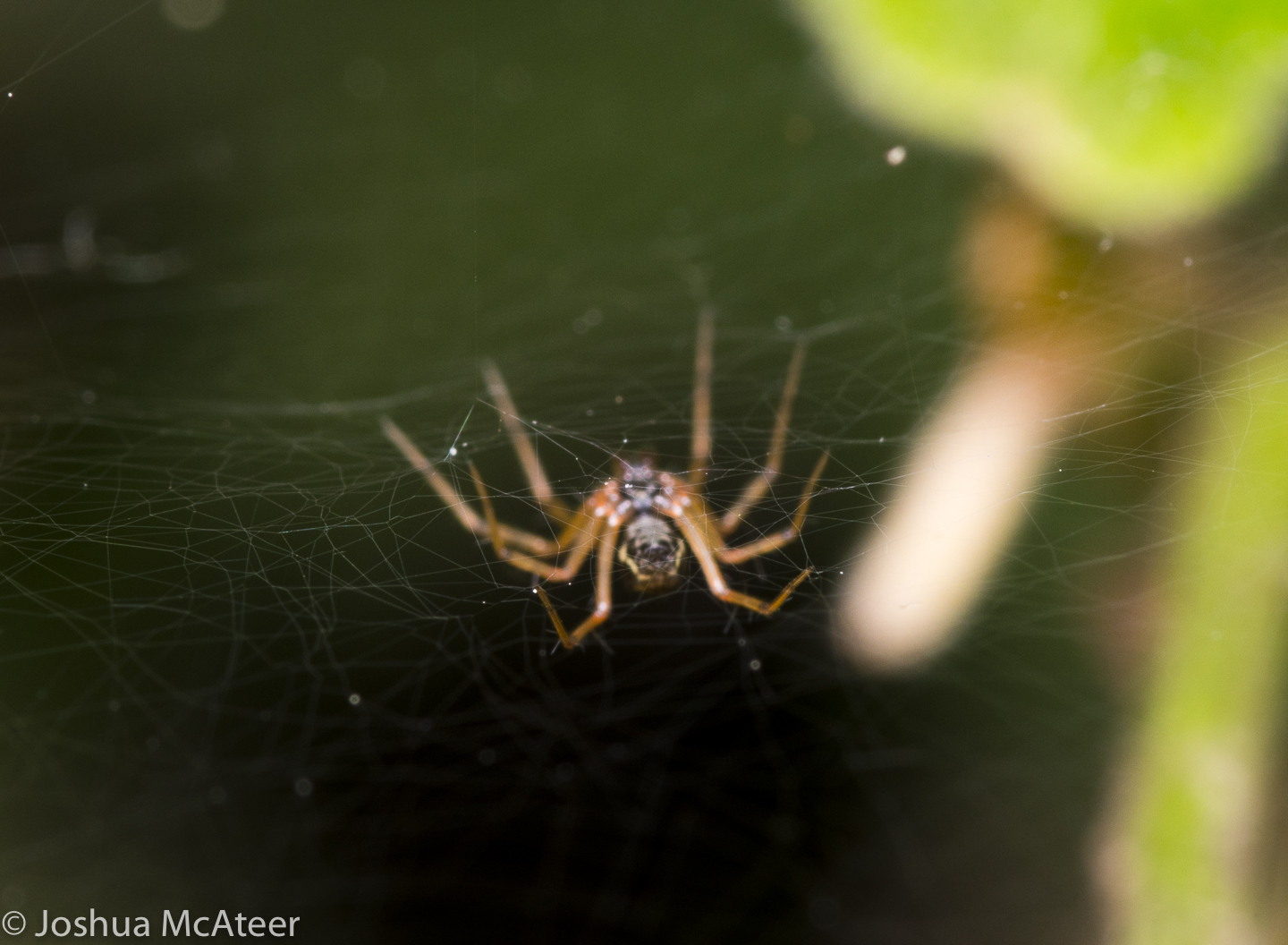
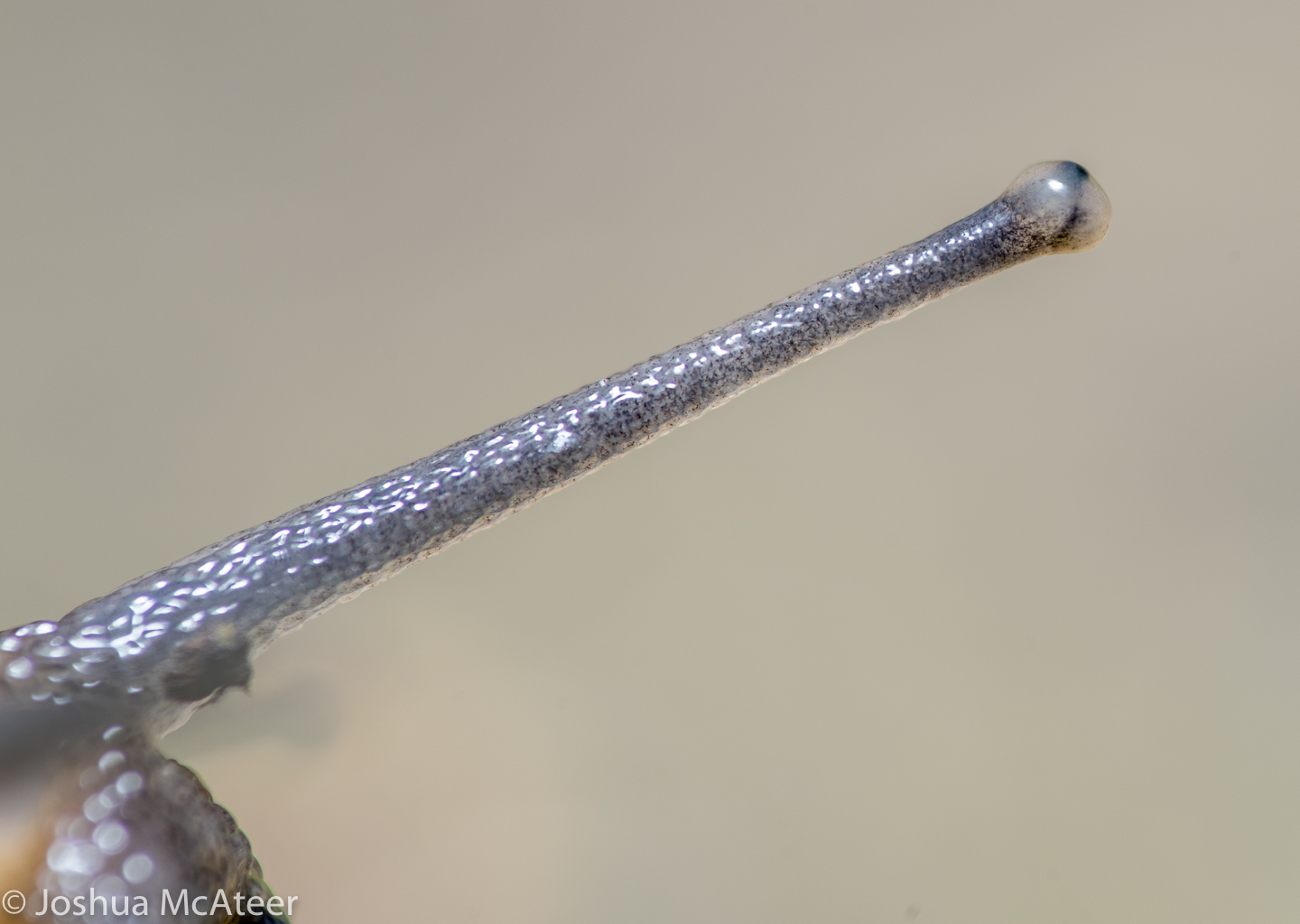
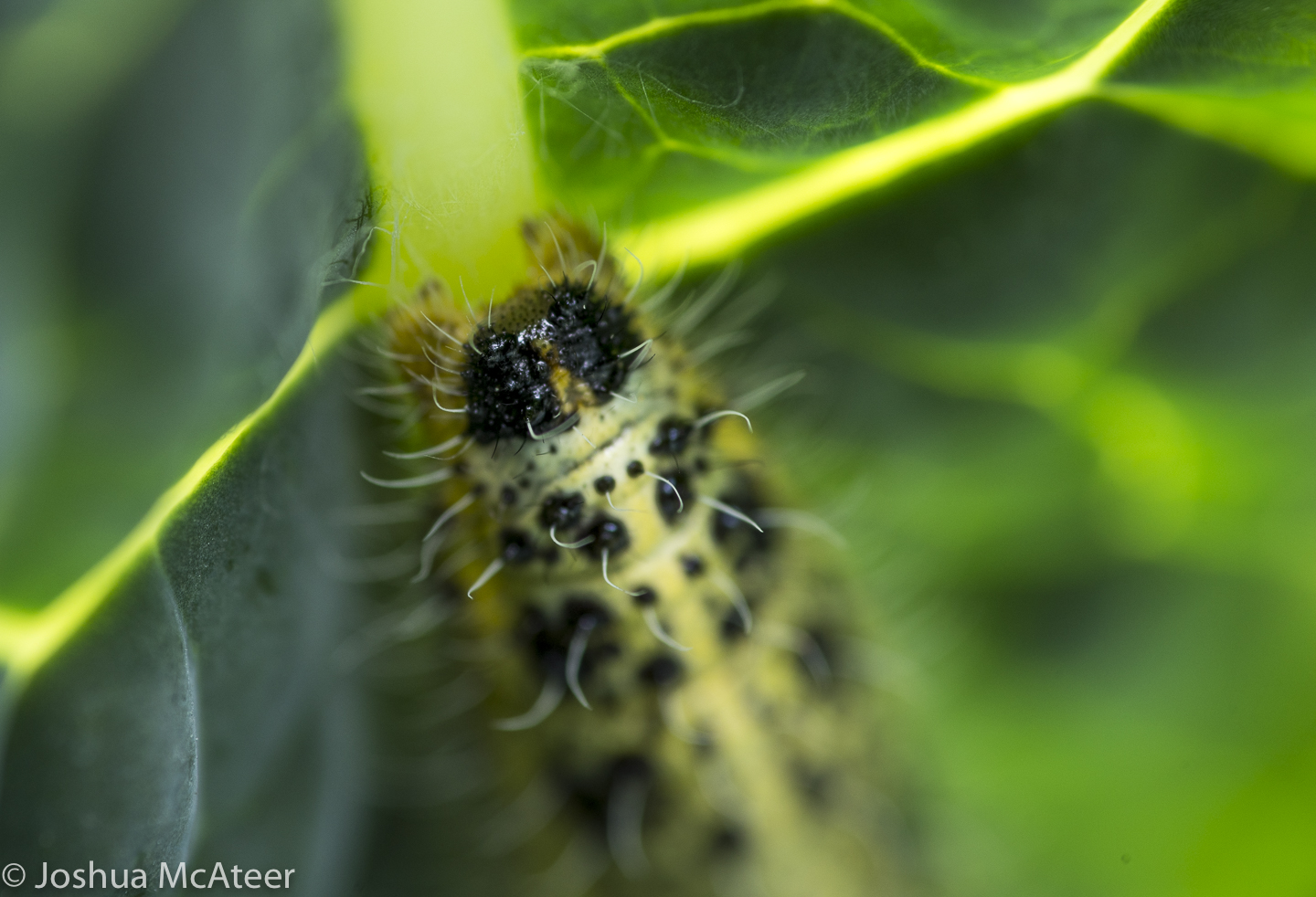
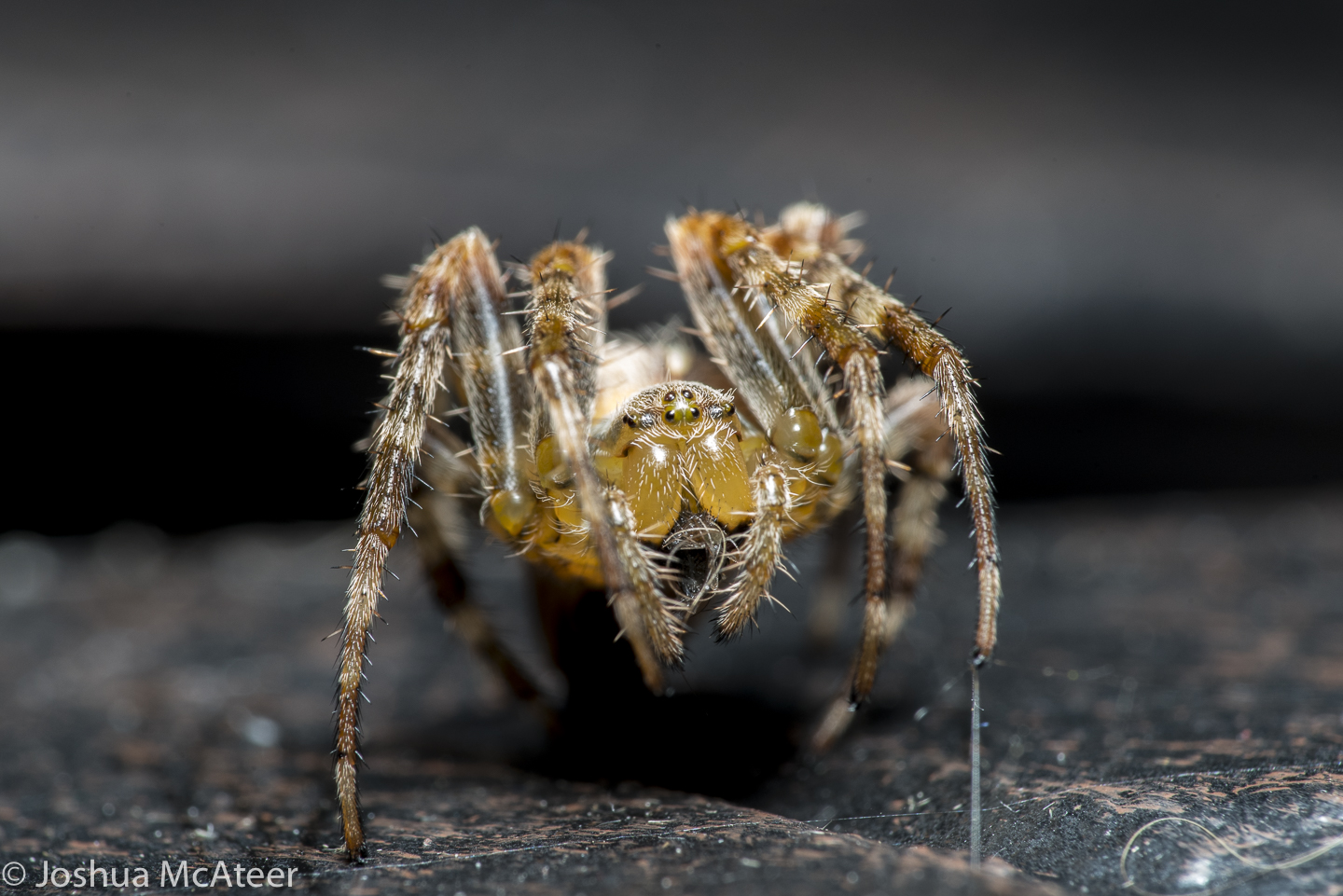
Here is a small collection of photographs from Highfields park. These were taken with a Pentax 100mm f/2.8 macro lens and a diffused flash.

Some people take in-field macro shots on a tripod. I’m not really a fan of this and the insects often move about quickly. That’s why I use a flash. Flashes dump almost all of their energy in about 1/2000th of a second, or faster. It’s really hard to get sharp hand-held macro shots without one. To blur the image by less than ten pixels at 2x magnification I’d only be able to move 20 microns. This is easy in 1/2000th of a second, but in 1/40th of a second I’d have to make sure I move at less than 0.8 mm/sec.

Abstract macrophotography

Macro Photography, Photography

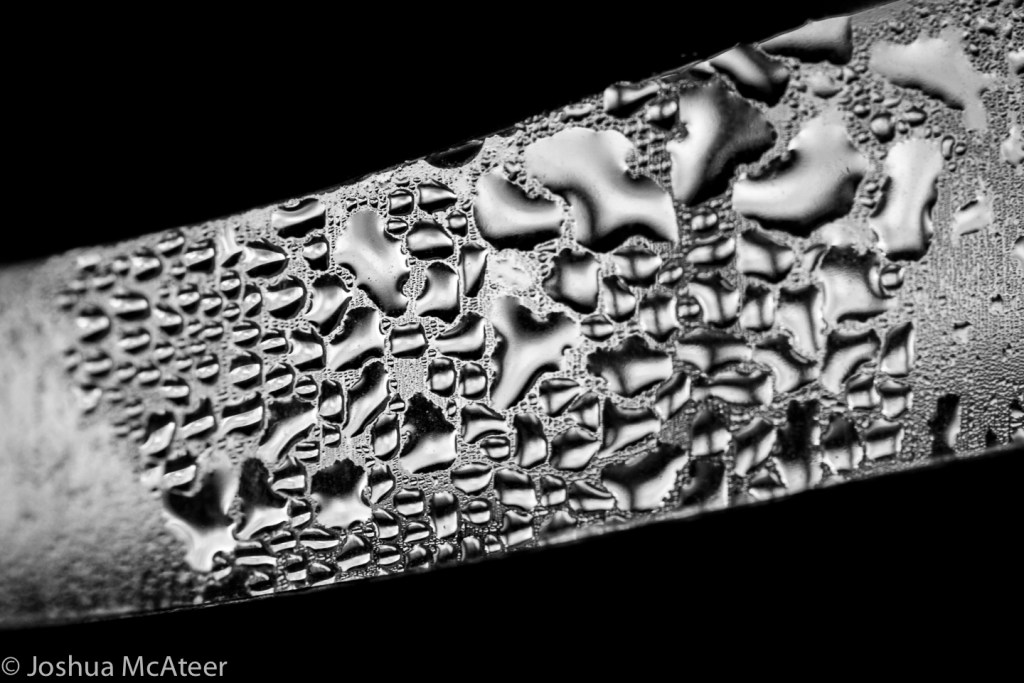
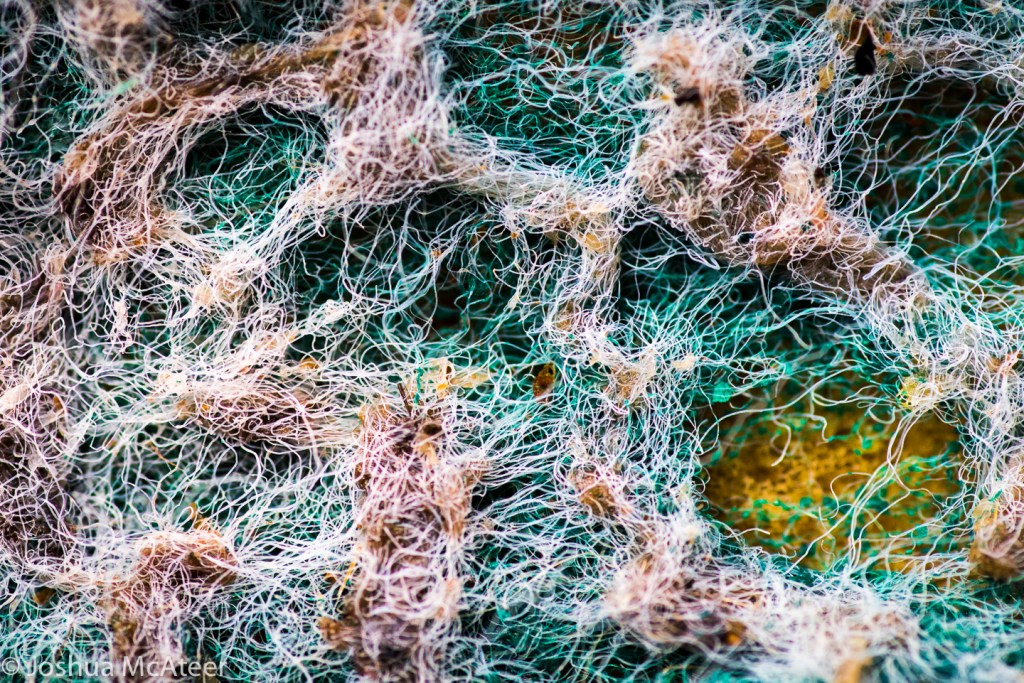
These were all taken with a Pentax 100mm f/2.8 macro, it’s an excellent lens. Some of the images were taken with a Raynox DCR-150 close up lens. Off-camera flash was also used.

Macrophotography is amazing. The most mundane scenes can appear totally alien even at only low magnification. It might surprise you, but the smallest details which we can see unaided eyes is around 0.04mm, and that’s when you hold things right up close. These images have a resolution of about 2-4 microns (0.004mm) so ten times better. Also, they are still, well-lit, and have had the colours and contrast edited so that they look more pleasing.